
A comfortable Kashi pilgrimage depends on preparation for heat, walking, queues, temple security and changing riverfront conditions—not just on reaching Varanasi. Use the guidance below to pack correctly, protect your health, plan realistic timings and confirm which activities and entry arrangements apply to your journey.
Key takeaways
- Carry light clothing, walking shoes and only temple-permitted essentials.
- Plan for early darshan, security checks, queues and walking through narrow lanes.
- Use sealed water, light meals and a consistent medication routine.
- Keep buffer time for traffic, weather, boat rides and changing aarti conditions.
Pack for Walking, Weather and Temple Restrictions
Your Kashi pilgrimage packing list should assume a final walk through narrow lanes, not a vehicle drop at the Kashi Vishwanath entrance. Carry only what you need for the day, especially if you are travelling with an older pilgrim or managing limited mobility.
- Breathable clothing for heat and humidity, plus a light shawl or jacket for winter mornings
- Easy-to-remove footwear with a firm, non-slip sole for temple entrances and uneven lanes
- A small towel for sweat, rain or wet seating
- Personal medicines in their original strips, with copies of prescriptions
- Government identity documents and photocopies kept separately
- A secure pouch for cash and phones that stays close to your body
Choose cotton or quick-drying clothes in summer, and add a light rain layer during the monsoon. Direct sun, dust and humid air make a midday walk harder, while winter mornings can feel cold before the sun rises; carry water and adjust layers instead of relying on one heavy outfit.
Temple access rules can restrict belongings near the sanctum. Leave valuables at your hotel, or use an authorised cloakroom after checking its current arrangements before travel. Keep your daypack small, because security checks and crowded lanes become slower with extra luggage.
Wear slip-on footwear rather than lace-up shoes: repeated removal at temple entrances wastes time and leaves shoes easier to misplace. Avoid carrying a bag you cannot comfortably hold through a long queue.
Prepare for Early Darshan, Long Queues and Narrow Lanes
A 4 a.m. reporting time changes the whole day. Treat Kashi Vishwanath darshan, a dawn boat ride, Kaal Bhairav, and evening aarti as separate time blocks, not one continuous outing. Add breaks for food, water and sitting; a short map distance can become exhausting through crowded lanes and security queues.
1. Check the temple’s official portal before paying anyone. Confirm whether you are booking ordinary darshan, Mangala Aarti or a special puja, then note the reporting time, identity documents and entry rules. A normal darshan booking does not include an aarti.
2. Leave luggage at your accommodation and carry only permitted essentials in a small bag. Security checks take longer when you bring unnecessary items, and prohibited belongings can force a return trip.
3. Wear temple footwear that slips off quickly. Lace-up shoes waste time at repeated removal points, while loose footwear can be lost in a crowded queue; use a secure pair and follow the temple’s storage instructions.
4. Reach the vehicle drop-off point with time for the final walk. Vehicles cannot generally reach the Kashi Vishwanath entrance, so allow for narrow lanes, stairs, standing and pauses, especially if you are travelling with an older pilgrim.
5. Schedule the longest walking portions early or after sunset. Direct summer sun and congestion make a midday temple-and-ghat circuit harder, and a missed ritual slot may not be recoverable.
Reserve a buffer after arriving from Bangalore before any paid puja. Flight, train and road delays can turn a nominally short transfer into a missed reporting time.
Protect Your Health, Food and Water Routine
A simple routine prevents most avoidable health problems: take prescribed medicines at their usual times, carry them in original labelled strips, and keep a copy of each prescription. Pack oral rehydration salts for diarrhoea, vomiting or heavy sweating, but seek medical care for persistent symptoms, blood in stool, confusion or severe weakness.
Before leaving each morning, use this checklist:
- Drink sealed bottled water and check that the cap is intact before opening it.
- Carry enough water for queues and walking; take small, regular sips instead of waiting until you feel thirsty.
- Choose light meals such as rice, khichdi, idli or bananas before long temple visits.
- Avoid unrefrigerated dairy, raw salads, cut fruit from uncovered stalls and food that has been sitting warm.
- Take motion-sickness medicine only as directed on its label, and test it before a boat ride if drowsiness would create a problem.
- Wash or sanitise your hands before eating and after using public facilities.
Do not treat a Ganga bath as risk-free. Water quality changes by location and season, while slippery steps, currents and infection exposure create avoidable danger; choose ceremonial offering or symbolic sprinkling if you have limited mobility, a medical condition or poor water confidence.
If you do board a boat, wear the provided life jacket and do not use the ride as accessible transport when you cannot manage steps.
Plan Ghats, Boat Rides and Aarti Around Real Conditions
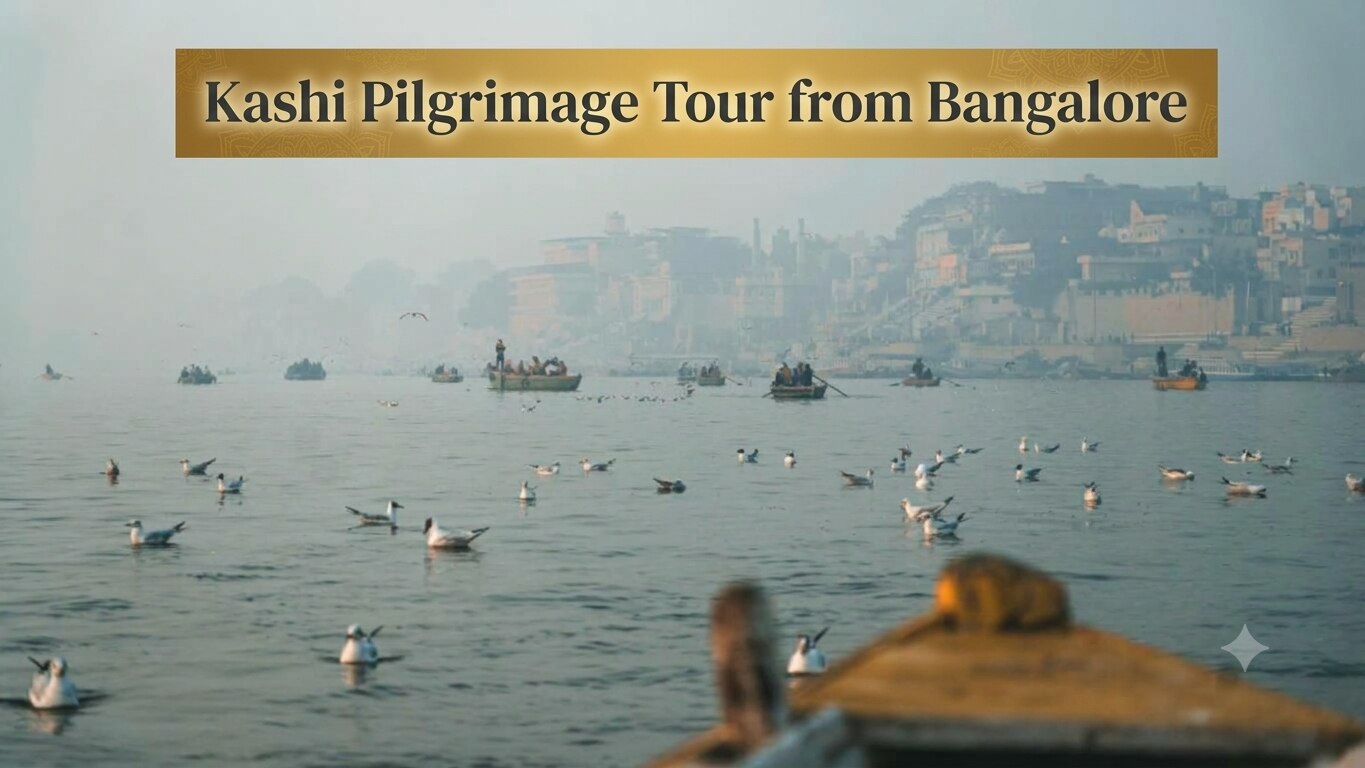
Treat every riverside plan as conditional: water level, fog, rain, crowd control and security can change access on the day. Ganga ghats safety starts with shoes that grip wet stone, keeping one hand free, and refusing a step or boat boarding point that feels unstable.
1. For a sunrise visit, reach the ghat before daylight and carry a small torch. Walk slowly on uneven steps, avoid isolated edges, and do not assume a dawn boat will run in fog or restricted conditions.
2. Treat a Ganga boat ride as an excursion, not accessible transport. Boarding often requires steps over wet surfaces; use the life jacket provided, stay seated while the boat moves, and cancel if the operator pauses service because of river level, weather or local orders.
3. Confirm the boarding point and return route before descending. If you cannot manage steps safely, watch from a stable riverside location instead of relying on the boat to bypass walking.
4. Reach Dashashwamedh Ghat early for the evening Ganga Aarti, but expect barricades, crowd diversions or limited viewing space. The ceremony is public, not a guaranteed private show; festivals and security checks can alter entry.
Assi Ghat offers a smaller aarti, yet it also depends on the day’s crowd and arrangements. Leave separate time for the sunrise visit, temple queues and evening aarti, with food, water and rest between them. Avoid bathing at an unfamiliar stretch; symbolic sprinkling is safer if you have mobility, infection or water-safety concerns.
Build a Realistic Bangalore-to-Varanasi Itinerary
Do not schedule a paid puja for the hour after your Bangalore to Varanasi travel ends. Build in a half-day buffer for a delayed train or flight, baggage collection and traffic; a missed reporting slot may not be recoverable that day.
| Itinerary choice | Verify before booking | Risk if overlooked |
|---|---|---|
| Train journey | Check live availability and the Indian Railways 60-day reservation rule in IRCTC; the window excludes the travel date | Popular Varanasi services can fill before your preferred class is available |
| Flight journey | Compare arrival time with hotel check-in, road congestion and the temple reporting time | A short airport transfer can become a long delay |
| Festival-period visit | Check Mahashivratri, Dev Deepawali, Sawan Mondays, eclipses and other observances | Crowds, room rates and road restrictions can change abruptly |
| Temple programme | Confirm whether the booking is normal darshan, Mangala Aarti or a special puja on the official Kashi Vishwanath portal | Darshan does not include an aarti or special ritual automatically |
Add Kaal Bhairav temple only after checking its opening hours, queue conditions and route. Keep valuables at the hotel or use an authorised cloakroom after verifying its current rules; phones, cameras and large bags may be restricted.
Kashi Vishwanath sits in the dense old city, where vehicles do not reach the entrance. Ask whether the plan includes the final walk through narrow lanes, rest stops and luggage storage, especially for an older traveller or anyone with limited mobility.
Elegant Tours can help coordinate these details, but you should still compare the confirmed timings, inclusions and contingency plan in writing.
Frequently asked questions
What should you pack for a Kashi pilgrimage from Bangalore?
Pack comfortable walking shoes, weather-appropriate clothing, prescribed medicines and a small day bag. Carry only items allowed inside the temples because security restrictions apply.
How should you prepare for Kashi Vishwanath darshan?
Plan for an early start, security checks, long queues and a final walk through narrow lanes. Keep your day bag small and allow extra time for entry.
How can you protect your health during a Kashi pilgrimage?
Maintain a regular water and medication routine, choose hygienic food and avoid carrying more than you can comfortably manage while walking.
What should you consider before booking a boat ride or attending aarti?
Check the day’s weather, river conditions, crowd levels and walking distance. Keep your schedule flexible because ghats, boat rides and aarti timings can affect the day.
How do you build a realistic Bangalore-to-Varanasi pilgrimage itinerary?
Allow time for the journey, hotel check-in, rest, temple visits, queues, traffic and local walking. Avoid scheduling every darshan or sightseeing stop back-to-back.